









Thermal optics: A powerful 24/7 advantage for birdwatchers
Many birding enthusiasts still believe that thermal devices belong exclusively to nighttime exploration. In reality, thermal technology is just as transformative during the day. Whether you prefer walking through forests at dawn, scanning meadows at sunset, or observing active daytime species, a thermal monocular can reveal details that traditional optics simply miss. Models such as the Pulsar Alaris,Pulsar Orni, Pulsar Lumion, and Pulsar Ventex are reshaping modern birdwatching by expanding what your eyes can perceive—any hour of the day.
How thermal optics actually work
Night vision systems amplify existing light sources. Thermal imaging, however, works on a completely different concept: it reads natural infrared radiation emitted by every warm-blooded creature and many objects around us. By converting tiny temperature variations into a visual image and applying specialized color palettes, thermal devices create a clear contrast between birds and their surroundings.
This means that even in harsh light, deep shade, fog, or thick vegetation, a Pulsar thermal optic can highlight species that would otherwise remain invisible.

Finding the hidden and the well-camouflaged
Thermal optics are exceptionally helpful when searching for birds that are masters of concealment or live in habitats where visibility is poor.
• Camouflage becomes ineffective
Owls resting on branches, nightjars lying motionless on the forest floor, or bitterns standing still in reeds often remain undetected with standard binoculars. A high-sensitivity thermal sensor exposes these birds by revealing their heat signature, regardless of how well they blend into the environment.
• Following fast, unpredictable movement
In dense shrubs or wetland habitats, species like warblers or rails move quickly and irregularly. A device with a broad field of view makes scanning easier and helps you track even fleeting motion without losing the bird in the foliage.
• Observing without disturbing
When monitoring nesting sites, roosting spots, or perched birds of prey, you can keep a respectful distance while maintaining excellent visibility. A unit with greater magnification allows you to enjoy natural behavior without disrupting the birds.

Choosing the right Pulsar device for different birding styles
Pulsar’s thermal lineup gives birdwatchers the freedom to choose a device that best suits their environment, habits, and preferred observation techniques.
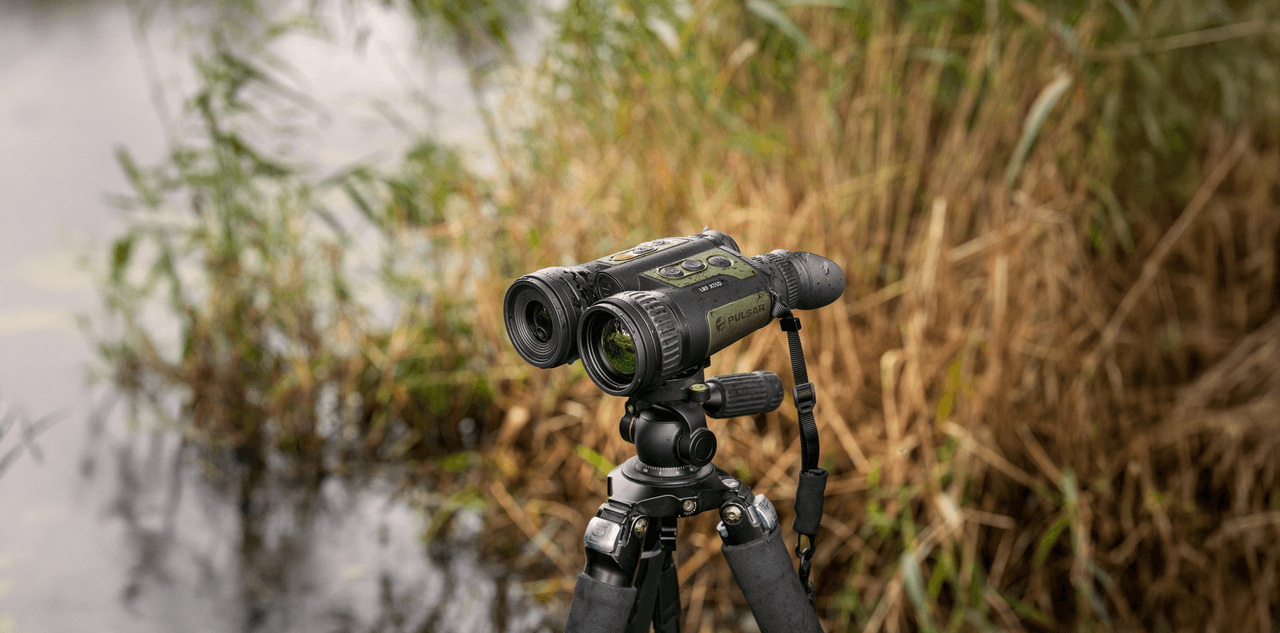
For long stationary sessions
If your birding style involves scanning large open landscapes or spending extended periods in one spot, the Ventex series is designed for comfort. Both the Pulsar Ventex XT50 and Pulsar Ventex XP35 weigh under one kilogram and offer a stable binocular-style form factor, reducing eye strain during long surveys.
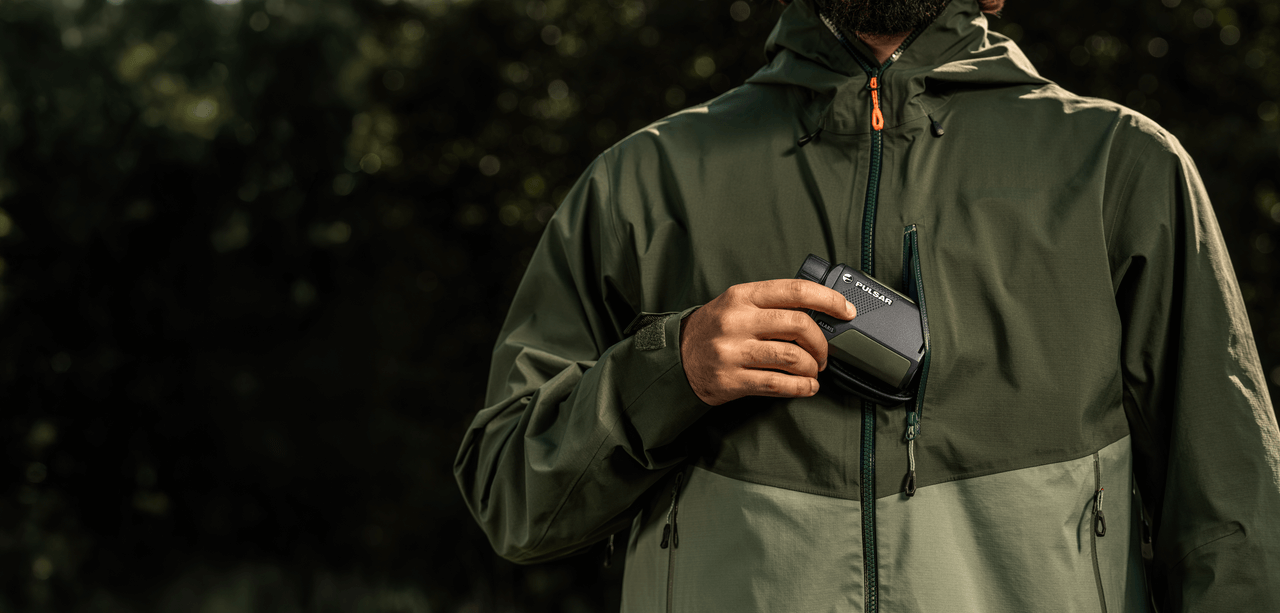
For active birders on the move
For those who hike through varied terrain and perform quick scans, the feather-light Alaris models—XG30 and XQ30 Pro—are ideal companions. They both provide excellent close-range performance, but with notable differences:
Alaris XG30 delivers pro-level clarity with its advanced sensor.
Alaris XQ30 Pro excels in humid conditions thanks to its superior thermal sensitivity.

For maximum detail and long-range identification
The Lumion XL50 is the go-to option for birders wanting the highest imaging quality. Offering HD-grade thermal resolution, it makes long-distance identification easier—perfect both for beginners seeking a future-proof device and for experts needing premium visual detail.
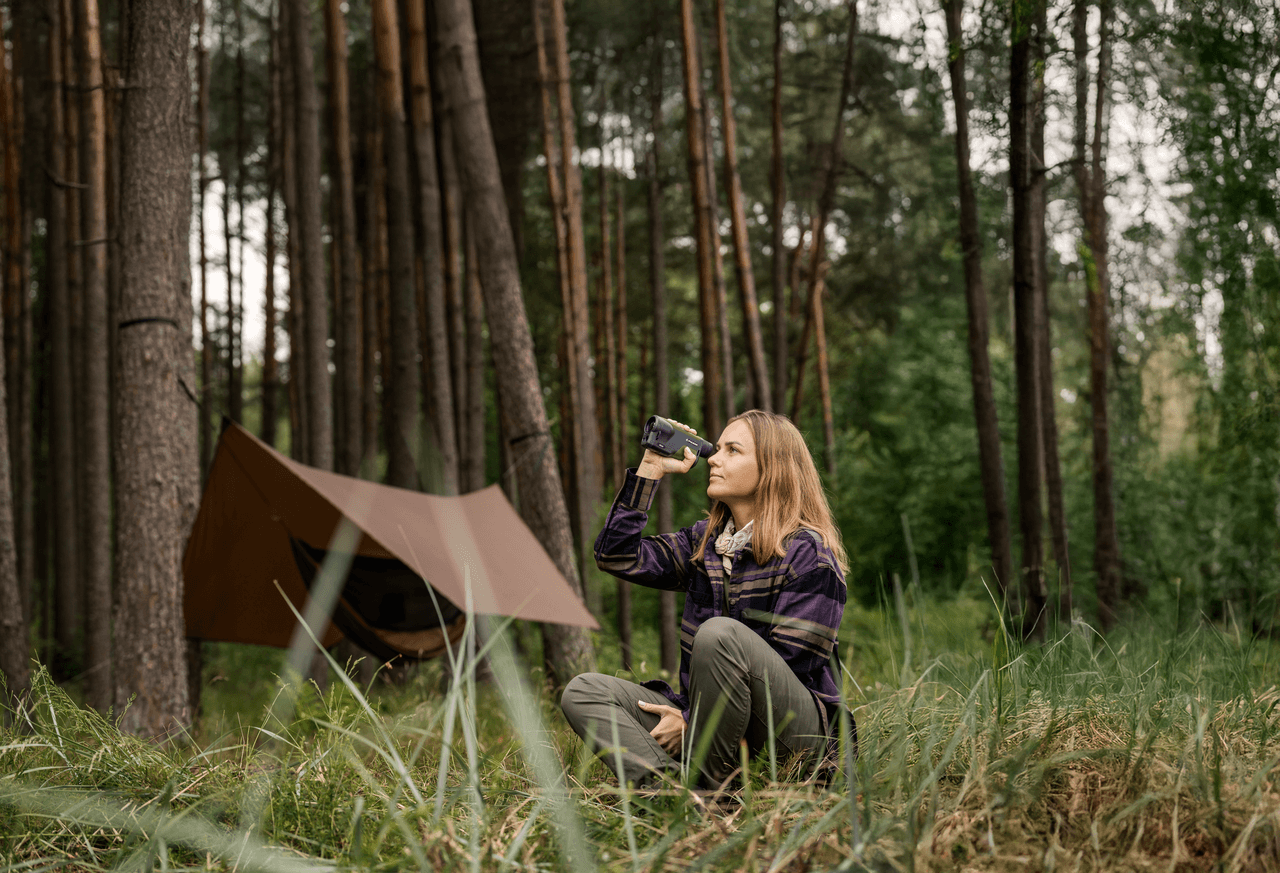
For versatile, all-around performance
If you want a reliable, adaptable device for every type of outing, the Orni XG35 offers an excellent balance of sensitivity, portability, and image clarity. It detects even subtle temperature contrasts, giving you a better chance of picking up hidden wildlife.
Unlocking the full potential of thermal observation
Thermal devices function around the clock, but their performance shines brightest in dry and stable weather, where contrast is at its strongest. When used responsibly, thermal optics allow birders to reduce disturbance while expanding what can be observed—revealing behaviors, hidden species, and natural scenes that usually go unnoticed.
Thermal technology is no longer just a tool for nocturnal monitoring. It brings a new layer of insight to daytime birdwatching, enabling you to see more, impact less, and experience wildlife through a completely new perspective.


